
What is diabetes, and why is it so common today? Diabetes is a long-term condition that affects how your body turns food into energy. It happens when your blood sugar, also called glucose, stays too high. Over time, high blood sugar can damage your heart, eyes, kidneys and nerves. However, you can manage diabetes well, and you can often prevent type 2 diabetes. This guide explains the types, symptoms, causes and prevention steps in simple terms.
What Is Diabetes and How Does It Work?
Your body breaks down food into glucose. Glucose then enters your bloodstream. Next, your pancreas releases a hormone called insulin. Insulin works like a key. It opens your cells so glucose can enter and give you energy.
In diabetes, this process fails. Sometimes the body makes too little insulin. In other cases, the cells stop responding to insulin properly. As a result, sugar builds up in the blood instead of fueling your body.
www.dreamstime.com
Searched for imagesblood glucose meter testing finger
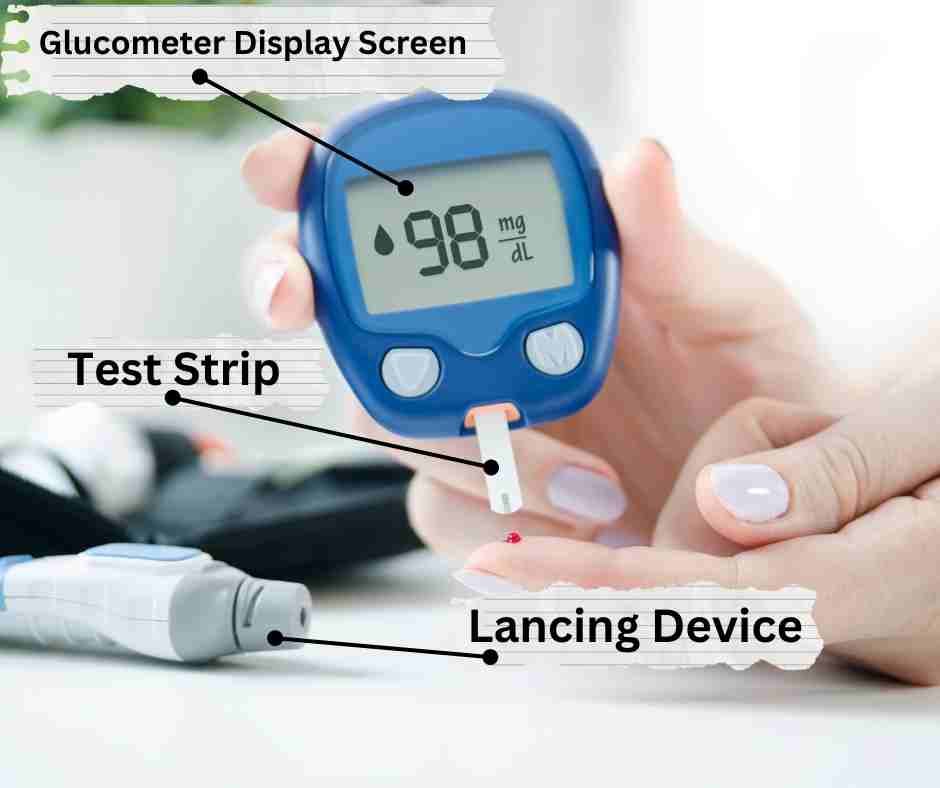
myendoconsult https://storage.googleapis.com/dxviaetinahace/blood-glucose-test-using-glucometer.html
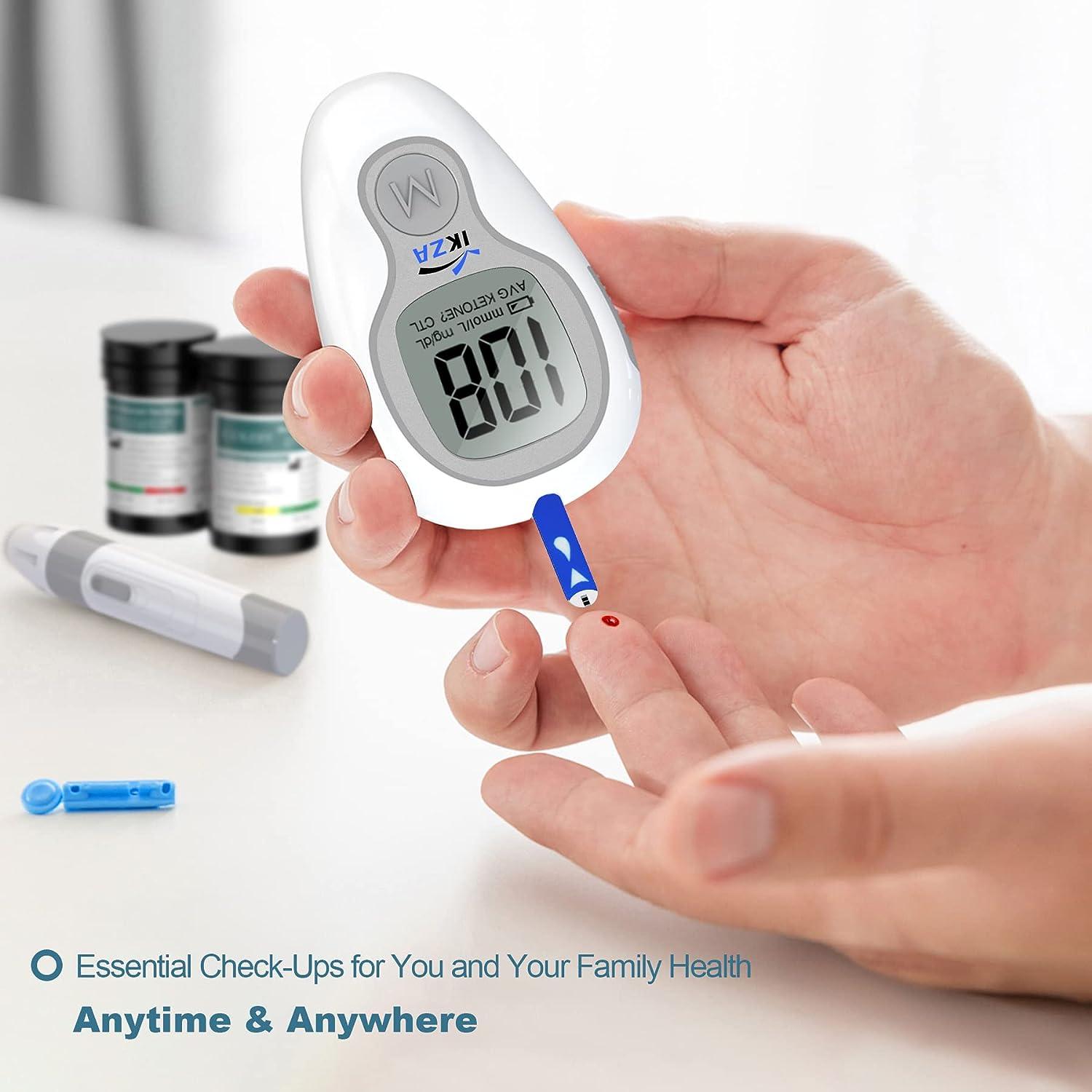
www.gosupps.com
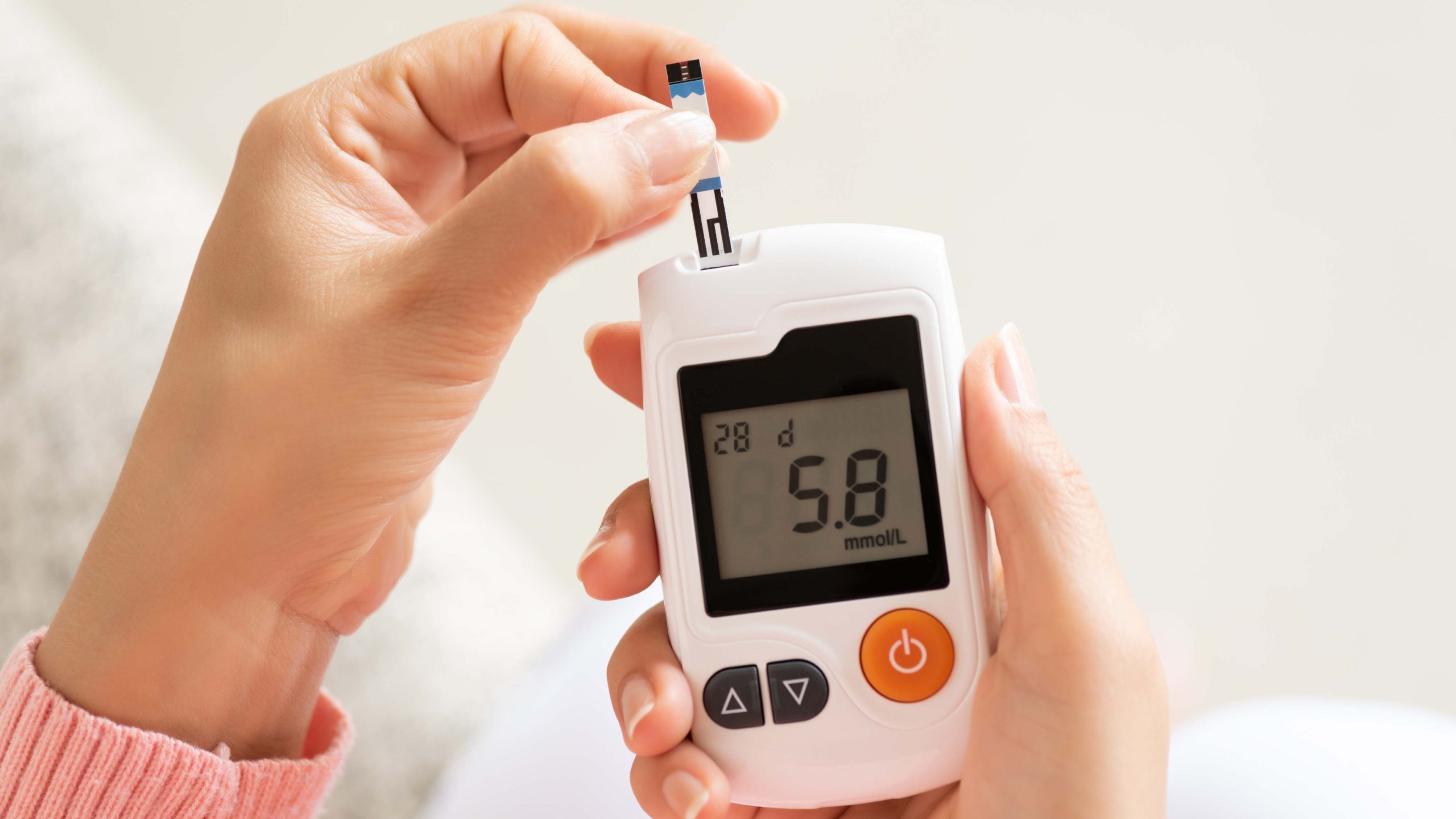
storage.googleapis
Main Types of Diabetes
Doctors group diabetes into several types:
- Type 1 diabetes: The immune system attacks the cells that make insulin. It often appears in children and young adults, but it can start at any age. People with type 1 need insulin every day.
- Type 2 diabetes: This is the most common type. The body resists insulin, and the pancreas eventually cannot keep up. Weight, inactivity, age and family history all play a role.
- Gestational diabetes: This type develops during pregnancy. It usually goes away after birth. However, it raises the mother’s future risk of type 2 diabetes.
- Prediabetes: Blood sugar is higher than normal, but not high enough for a diabetes diagnosis. It is a warning sign, and you can often reverse it.
- www.dreamstime.com
Common Diabetes Symptoms
Diabetes symptoms can be mild at first. For example, many people with type 2 diabetes feel normal for years. Watch for these signs:
- Frequent urination, especially at night
- Extreme thirst
- Constant hunger
- Unusual tiredness
- Blurred vision
- Slow-healing cuts or sores
- Tingling or numbness in the hands or feet
- Unexplained weight loss
Type 1 symptoms often appear quickly and feel more severe. If you notice several of these signs, book a blood test soon.
Causes and Risk Factors
The cause depends on the type. In type 1 diabetes, doctors believe genes and an immune system problem both contribute. You cannot prevent it with lifestyle changes.
Type 2 diabetes has clearer risk factors. You face a higher risk if you:
- Carry extra weight, especially around the waist
- Are physically inactive
- Have a parent or sibling with diabetes
- Are over 35
- Have high blood pressure or high cholesterol
- Had gestational diabetes before
The UAE and other Gulf countries report some of the highest diabetes rates in the world. Busy lifestyles, sugary drinks and low activity all contribute. Therefore, regular screening matters here more than ever.
www.dreamstime.com
How Doctors Diagnose Diabetes
A simple blood test confirms diabetes. Doctors commonly use three options:
- Fasting blood glucose: A result of 126 mg/dL (7.0 mmol/L) or higher on two tests suggests diabetes.
- HbA1c test: This shows your average blood sugar over three months. A result of 6.5% or higher indicates diabetes.
- Oral glucose tolerance test: You drink a sugary solution, and the lab checks your blood two hours later.
Early diagnosis protects your health. It also gives you more treatment options.
www.dreamstime.com
How to Prevent Type 2 Diabetes
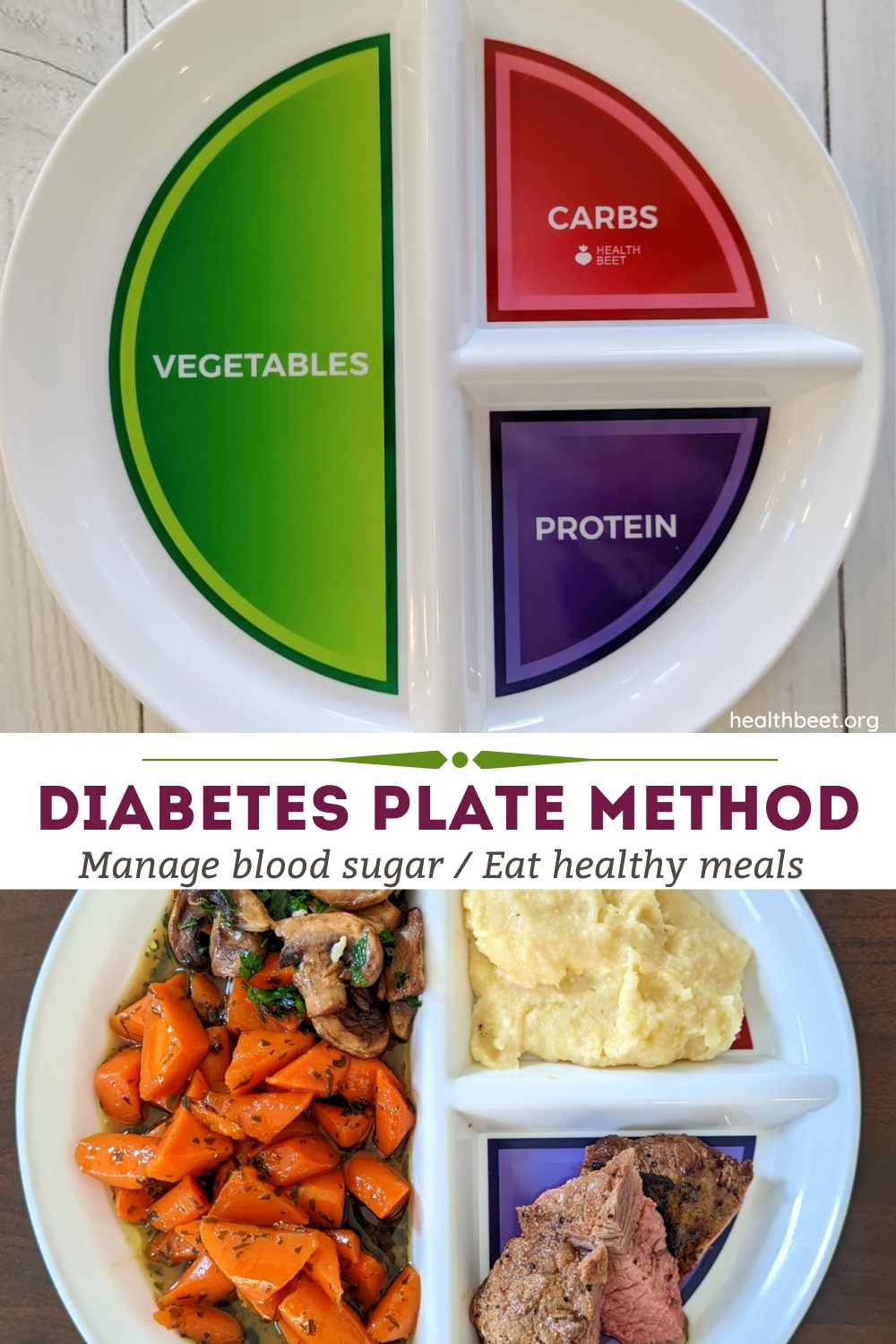
Small daily habits make a big difference. First, aim for at least 150 minutes of moderate exercise each week. A brisk walk after dinner counts. Second, fill your plate with vegetables, whole grains, lean protein and healthy fats. Third, cut back on sugary drinks, white bread and processed snacks.
Weight also matters. Losing even 5 to 7 percent of your body weight can lower your risk significantly. In addition, sleep well and manage stress, because poor sleep and high stress can raise blood sugar.
Searched for imageshealthy balanced meal vegetables whole grains
www.dreamstime.com
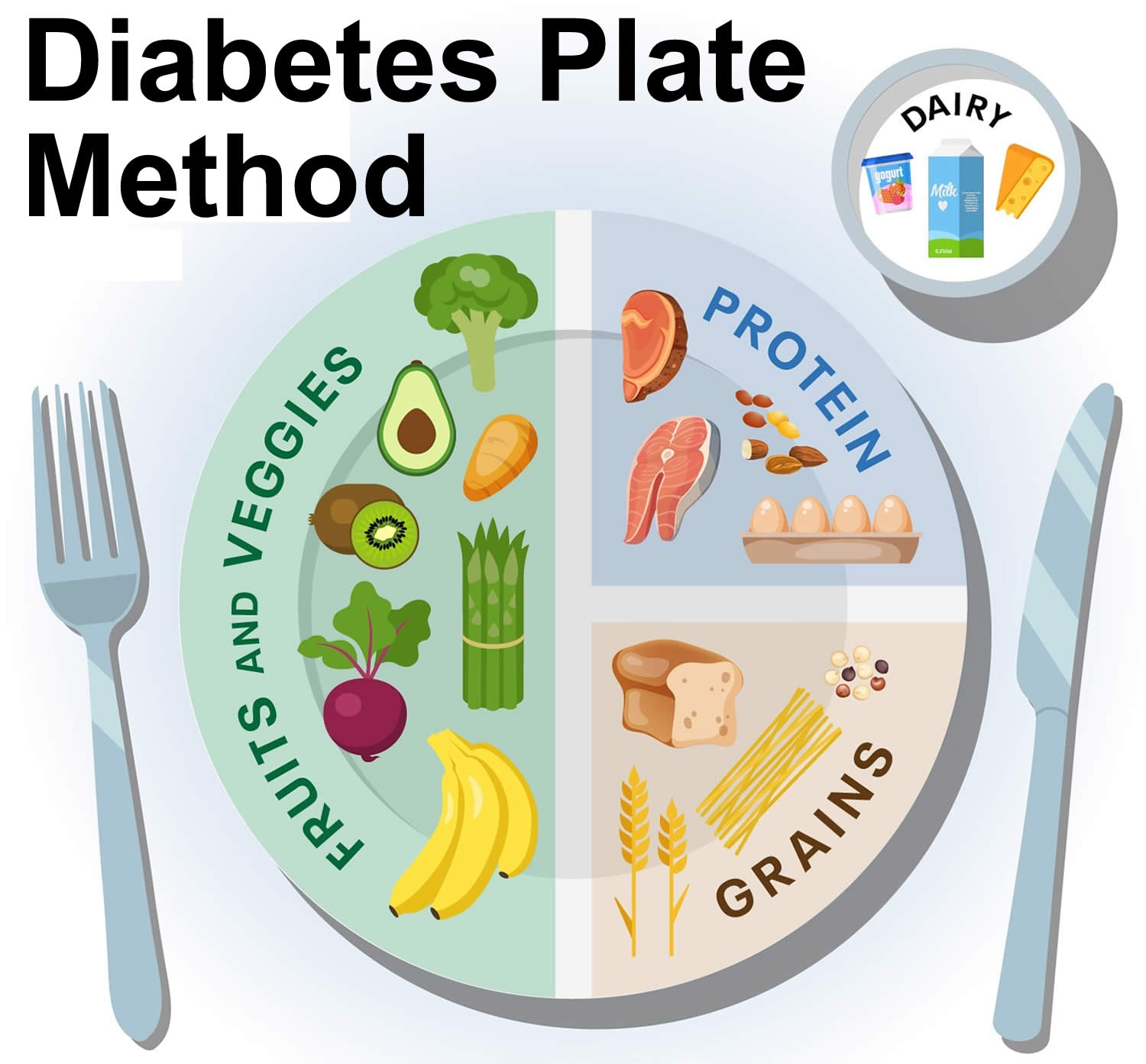
healthjade
fity
Managing Diabetes Every Day
Diabetes is manageable with the right routine. Most people need a mix of these habits:
- Check blood sugar as your doctor advises
- Take medication or insulin exactly as prescribed
- Eat regular, balanced meals
- Stay active most days
- Attend routine checks for your eyes, feet, kidneys and heart
Moreover, a care team can help you set personal targets. Dietitians, nurses and doctors all support you along the way. Good control lowers the risk of complications and helps you feel your best.
www.dreamstime.com
When to See a Doctor
See a doctor if you have symptoms such as extreme thirst, frequent urination or blurred vision. You should also get tested if you have risk factors, even when you feel fine. Seek urgent care if you feel very weak, confused, or have fruity-smelling breath or vomiting. These can signal a medical emergency.
Final Thoughts
So, what is diabetes? It is a manageable condition in which the body cannot control blood sugar properly. Understanding the types and symptoms helps you act early. Moreover, healthy food, regular movement and routine testing can prevent or delay type 2 diabetes. Book a screening this month, and share this guide with someone who may need it.