
What Is Sciatica?
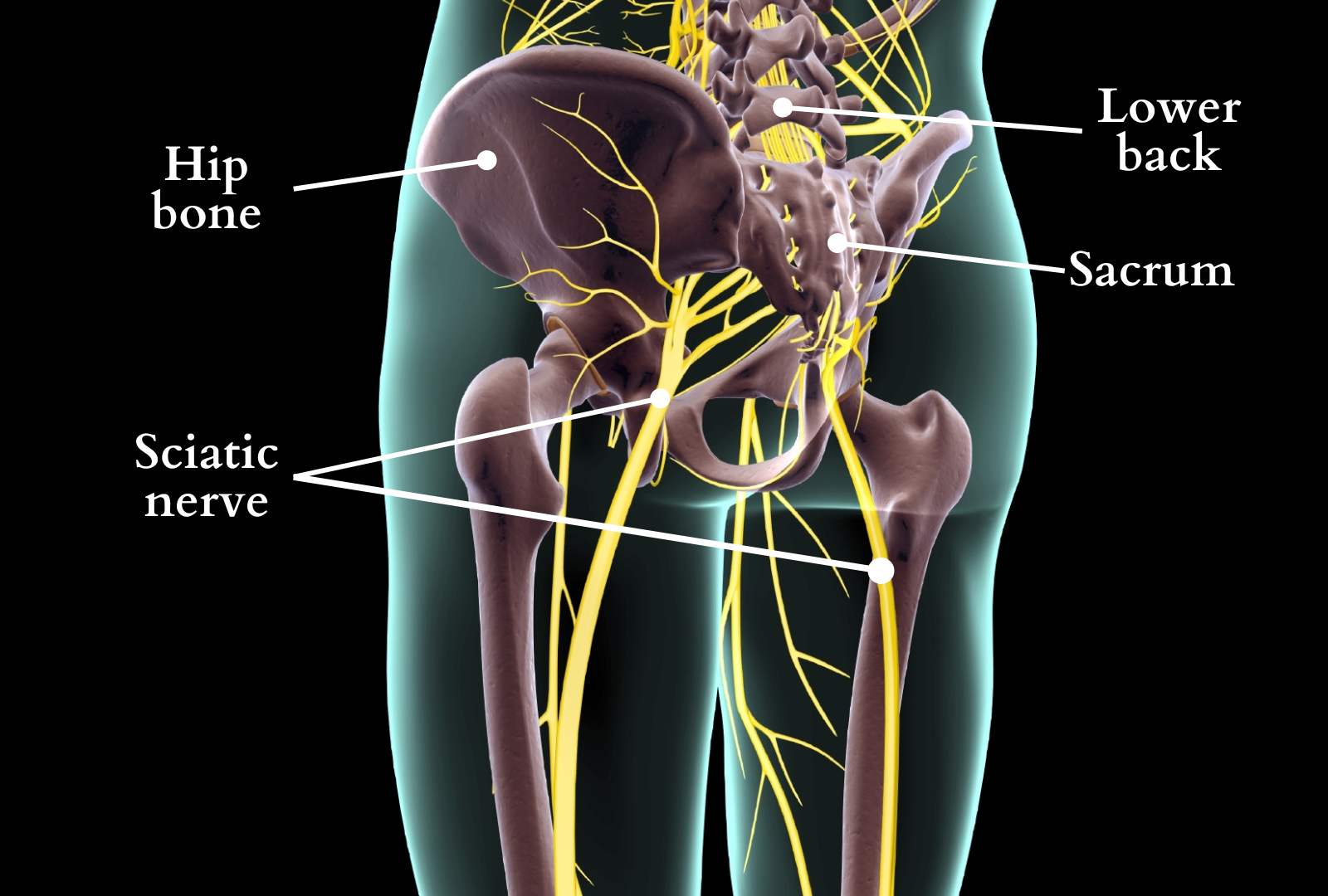
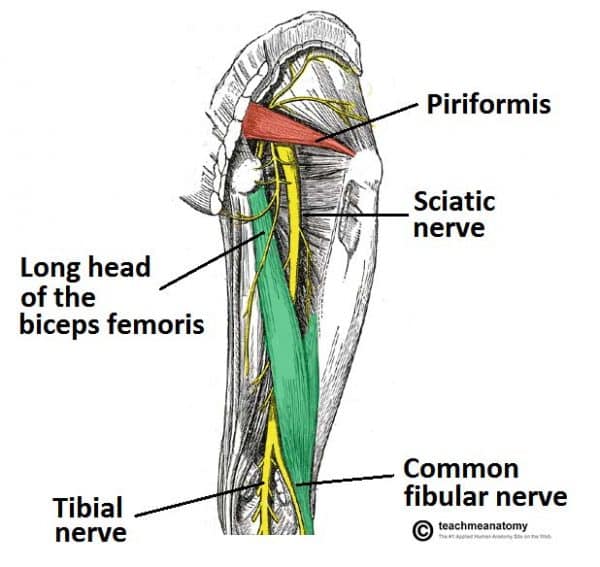
Sciatica is pain that travels along the sciatic nerve. This is the longest nerve in your body. It starts in the lower back, runs through the buttocks and goes down the back of each leg. Sciatica is a symptom rather than a disease. It usually means something is pressing on or irritating that nerve.
Most people feel it on one side only. The pain can be a dull ache, a burning feeling, or a sharp, electric shock that gets worse when you sit, cough or sneeze.https://teachmeanatomy.info/lower-limb/nerves/sciatic-nerve/
when you sit, cough or sneeze.
Outlining the main causes and triggers of sciatica

anatomysystem1
ar.inspiredpencil
teachmeanatomy
4. Fix your posture. Sit with your back supported and feet flat on the floor. Stand up and walk for a minute or two every 30 to 45 minutes. If you stand all day, shift your weight and wear supportive shoes.
5. Strengthen your core. Strong abdominal and back muscles take pressure off your spine. Bridges, planks and bird-dog exercises are good once the pain settles.
6. Use over-the-counter pain relief. Anti-inflammatory medicines such as ibuprofen can help for a short time. Check with a pharmacist or doctor first, especially if you have stomach, kidney or heart conditions.
7. Try physiotherapy. A physiotherapist can build a program for your exact cause. This is often the most effective long-term fix.
8. Sleep smart. Lie on your side with a pillow between your knees, or on your back with a pillow under your knees. Choose a medium-firm mattress.
9. Maintain a healthy weight and stop smoking. Both reduce the load and damage on your spinal discs.https://teachmeanatomy.info/lower-limb/nerves/sciatic-nerve/
Medical Treatments if Self-Care Isn’t Enough
If pain lasts longer than 6 to 8 weeks, a doctor may suggest:
- Prescription muscle relaxants or nerve pain medication
- Steroid injections near the irritated nerve
- Specialised physiotherapy
- Surgery (such as microdiscectomy), only in severe cases that do not respond to other treatment
When to See a Doctor Urgently
Go to an emergency department immediately if you have:
- Loss of control of your bladder or bowels
- Numbness in the groin or inner thighs
- Sudden, severe weakness in one or both legs
- Severe pain after a fall or accident
- Fever together with back pain
These can be signs of cauda equina syndrome, which needs treatment fast to prevent permanent damage.
You should also book an appointment if the pain is severe, keeps getting worse, or has not improved after a few weeks.https://teachmeanatomy.info/lower-limb/nerves/sciatic-nerve/
How to Prevent Sciatica
- Exercise regularly, with walking, swimming and yoga being good choices
- Lift with your knees, keeping the load close to your body
- Avoid sitting for long periods
- Keep your core and hip muscles strong
- Maintain good posture at work and at homehttps://teachmeanatomy.info/lower-limb/nerves/sciatic-nerve/
Final Thoughts
Sciatica can be painful and frustrating, but most people recover without surgery. Understanding what triggers it, such as a slipped disc, tight muscles, poor posture or long hours sitting or standing, is the first step to fixing it. Keep moving gently, correct your habits, and see a doctor if symptoms are serious or do not improve.https://teachmeanatomy.info/lower-limb/nerves/sciatic-nerve/