
Understanding Digital Marketing: A Comprehensive Guide to Strategies and Best Practices
Effective Digital Marketing Tips Before You Start MarketingIn today’s digital age, marketing has transformed in profound ways. Digital marketing, in particular, has become a vital tool for businesses aiming to reach their target audience, build brand awareness, and drive conversions. Unlike traditional marketing, which relies on print media, television, and radio, digital marketing harnesses the power of the internet and digital tools to connect with consumers. Consequently, it offers businesses an opportunity to expand their reach globally, at a fraction of the cost. This article will explore what digital marketing is, its key components, Effective Digital Marketing Tips.
Effective Digital Marketing Tips
Effective Digital Marketing Tips – What Is Digital Marketing?
Digital marketing is the use of digital channels, technologies, and platforms to promote products, services, or brands. As technology has evolved, so too has the way marketers reach and engage with their audience. Whereas traditional marketing methods were largely one-way communication (e.g., print ads, TV commercials), digital marketing allows for a two-way interaction between businesses and consumers. Through websites, social media, email, and other digital platforms, companies can communicate directly with their audience, offering personalized experiences and tailored messaging.
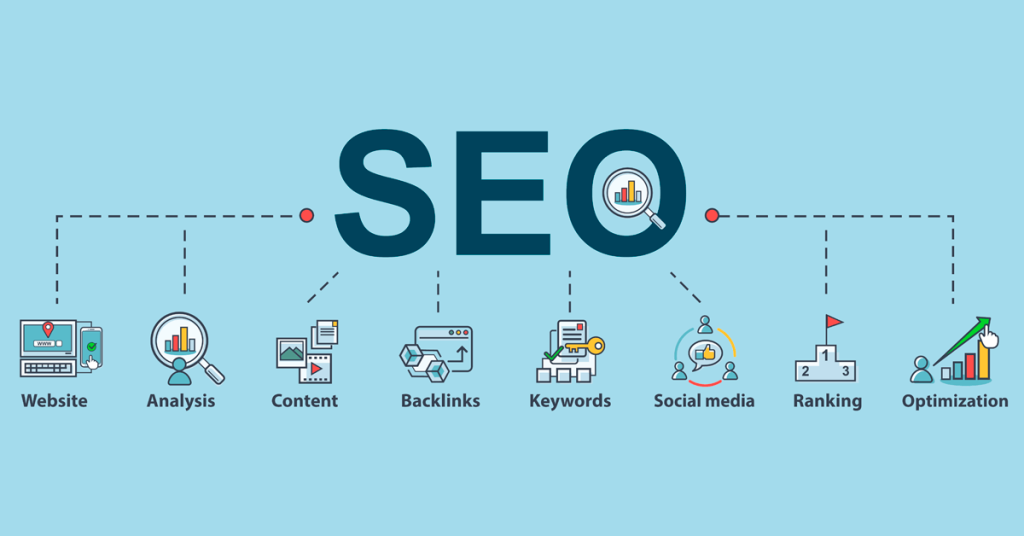
The Key Components of Digital Marketing
To fully comprehend digital marketing, it’s important to understand its core components. These components work together seamlessly to create an effective strategy. Below, we’ll delve into some of the most significant aspects of digital marketing:
1. Search Engine Optimization (SEO)
Search engine optimization (SEO) is a critical digital marketing technique that focuses on improving a website’s visibility in search engine results pages (SERPs). By optimizing a website’s content, structure, and technical aspects, businesses can increase their chances of ranking higher in search results. When done correctly, SEO helps drive organic traffic to a website, which is both cost-effective and sustainable. The process of SEO involves keyword research, on-page optimization, backlinking, and improving the website’s user experience.
Since search engines like Google are the primary way people search for products and services, SEO remains one of the most important aspects of digital marketing. However, SEO is not a one-time task; it requires ongoing monitoring and adjustment to keep up with search engine algorithm updates.
2. Content Marketing
Content marketing refers to the creation and distribution of valuable, relevant, and consistent content to attract and engage a target audience. Through blog posts, videos, podcasts, and other forms of content, businesses can educate, entertain, and inform their audience, building brand authority in the process. Furthermore, content marketing helps businesses build trust with their customers, which is essential for long-term success.
By consistently producing high-quality content, businesses can nurture relationships with their audience, keeping them engaged and loyal. Additionally, well-crafted content enhances a website’s SEO by providing useful information that search engines can index.
3. Social Media Marketing
Social media marketing involves using platforms such as Facebook, Instagram, Twitter, LinkedIn, and TikTok to promote products and engage with an audience. Since billions of people use social media worldwide, these platforms provide an excellent opportunity for businesses to reach large, diverse audiences. Social media also allows businesses to foster relationships with their customers, respond to inquiries, and gather feedback in real-time.
Furthermore, social media marketing is a cost-effective way to run targeted ads, enabling businesses to narrow down their audience based on interests, demographics, and behaviors. With social media, brands can boost awareness, generate leads, and drive traffic to their websites.
4. Email Marketing
Email marketing involves sending targeted messages to a group of people via email. Unlike other forms of marketing, email marketing enables businesses to communicate directly with their audience. By collecting email addresses from customers or potential leads, businesses can create personalized campaigns that nurture relationships and drive conversions.
One of the key advantages of email marketing is its ability to reach a highly targeted audience. For instance, businesses can segment their email lists based on interests, past purchases, or behavior. This segmentation allows for more personalized messaging, which in turn leads to higher engagement rates.
5. Pay-Per-Click (PPC) Advertising
Pay-per-click (PPC) advertising is a paid digital marketing strategy where businesses pay each time someone clicks on one of their ads. Google Ads, Bing Ads, and Facebook Ads are popular platforms for PPC campaigns. Since PPC ads appear at the top of search engine results, they can drive immediate traffic to a website.
The primary advantage of PPC is that it provides quick, measurable results. However, it requires careful planning and optimization to ensure that the ads are targeted effectively and deliver a high return on investment (ROI). Additionally, businesses need to monitor their PPC campaigns regularly to adjust keywords, bids, and ad copy for optimal performance.
6. Affiliate Marketing
Affiliate marketing is a performance-based marketing strategy where businesses partner with individuals or other companies (affiliates) to promote their products. Affiliates earn a commission for every sale, lead, or action generated through their marketing efforts.
This marketing strategy is particularly beneficial for businesses that want to expand their reach without incurring upfront costs. By partnering with influencers or bloggers who have established audiences, companies can tap into new markets and drive more traffic to their websites.
7. Influencer Marketing
Influencer marketing involves collaborating with influencers—individuals with large followings on social media or other platforms—to promote products or services. In addition, influencers have the ability to sway consumer opinions, which makes them valuable partners for businesses seeking to enhance their reach and credibility.
While influencer marketing has gained popularity in recent years, it remains a potent strategy for digital marketing campaigns. However, it’s crucial for businesses to choose the right influencers whose audience aligns with their target market.
Benefits of Digital Marketing
The adoption of digital marketing offers several key benefits to businesses of all sizes. Below, we explore some of these advantages:
1. Global Reach
One of the most significant benefits of digital marketing is, without a doubt, its ability to reach a global audience. Moreover, with the internet, businesses are no longer confined by geographical boundaries. As a result, they can promote their products to consumers around the world, thus opening up new markets and opportunities for growth.
2. Cost-Effectiveness
Compared to traditional marketing methods, digital marketing is often more cost-effective. Businesses can achieve higher returns on their investments (ROI) by using digital tools like SEO, content marketing, and social media marketing. Even with paid advertising, businesses can target specific audiences, ensuring that their marketing budget is spent wisely.
3. Measurable Results
Another advantage of digital marketing is the ability to track and measure results in real-time. With tools like Google Analytics and social media insights, businesses can monitor their campaigns and analyze key metrics such as traffic, engagement, conversion rates, and ROI. This data-driven approach allows businesses to make informed decisions and continuously optimize their marketing strategies.
4. Targeted Marketing
Digital marketing allows businesses to segment their audience and deliver personalized messages effectively. With tools like social media advertising and email marketing, businesses can specifically target consumers based on their behavior, demographics, and interests. As a result, this targeted approach ensures that marketing efforts are more effective and, consequently, yield higher engagement and conversion rates.
5. Flexibility and Adaptability
Digital marketing is incredibly flexible and adaptable. Unlike traditional marketing methods, which may require significant time and money to change, digital campaigns can be adjusted on the fly. If a particular strategy isn’t working, businesses can quickly pivot and try a different approach, whether it’s changing ad copy, adjusting SEO tactics, or re-targeting a specific audience.
Effective Digital Marketing Tips – Conclusion
Digital marketing has transformed the way businesses approach marketing and consumer engagement. By leveraging the power of digital tools and strategies, companies can expand their reach, increase brand awareness, and drive sales. Whether through SEO, content marketing, social media, or paid advertising, digital marketing offers countless opportunities for businesses to succeed in an increasingly digital world.
As the digital landscape continues to evolve, it’s essential for marketers to stay up-to-date with the latest trends and best practices. By doing so, they can ensure that their strategies remain effective and continue to drive results. Digital marketing, when executed correctly, offers significant advantages, from global reach to cost-effective campaigns, making it an essential part of any modern marketing strategy.