
Best E-commerce Marketing Strategies in 2026
If you run an online store, simply having great products isn’t enough you have to floow up best E-commerce Marketing Strategies in 2026. With increasing competition and changing customer expectations, you need a well-planned marketing strategy to attract visitors, convert them into customers, and encourage repeat purchases. e- commerce strategy example
Whether you’re selling fashion, electronics, beauty products, or handmade items, the right e-commerce marketing strategies can help you increase traffic, boost sales, and build long-term customer loyalty.
In this guide, we’ll explore the most effective e-commerce marketing strategies for 2026 and how you can implement them to grow your online business.
What Is E-commerce Marketing?
E-commerce marketing is the process of promoting an online store to attract potential customers inaddition drive website traffic, generate sales, and retain existing customers. It combines various digital marketing channels such as SEO, social media, paid advertising, email marketing, influencer marketing, and content marketing to achieve business goals.
A successful strategy focuses not only on acquiring new customers but also on improving the overall shopping experience and encouraging repeat purchases.
1. Optimize Your Website for SEO for best e-commerce Marketing Strategies in 2026
Search Engine Optimization (SEO) remains one of the most effective long-term e-commerce marketing strategies in 2026. A well optimized online store attracts high-intent visitors, improves search engine rankings, and generates consistent organic sales without relying entirely on paid advertising.
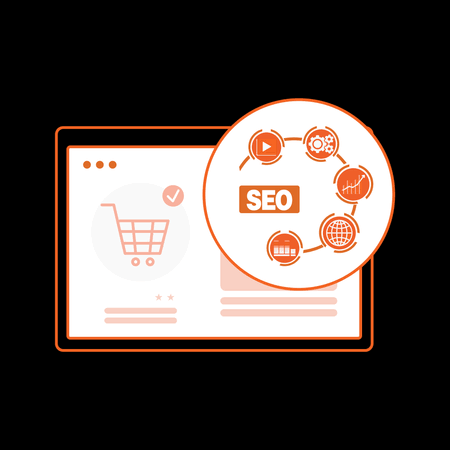
Search Engine Optimization (SEO) is one of the most cost-effective ways to generate long-term traffic.
So these are the SEO Best Practices
- Research keywords your customers are searching for.
- Optimize product titles and descriptions.
- Write unique product descriptions.
- Add descriptive image alt text.
- Improve website speed.
- Make your website mobile-friendly.
- Use internal linking.
- Create SEO-friendly URLs.
2. Invest in Content Marketing
ontent marketing continues to be one of the most powerful e-commerce marketing strategies in 2026. Instead of only promoting products, successful brands create valuable, informative, and engaging content that educates customers, builds trust, and influences purchasing decisions. High-quality content also improves SEO, increases website traffic, and strengthens brand authority over time.
Content marketing helps attract potential customers before they’re ready to buy.
Create
- Buying guides
- Product comparisons
- How-to articles
- Gift guides
- Industry news
- Customer stories
3. Run High-Converting Google Ads
Google Ads remains one of the most effective e-commerce marketing strategies in 2026 because it allows businesses to reach customers who are actively searching for products and services. With AI-powered bidding, advanced audience targeting, and multiple campaign formats, Google Ads can help increase website traffic, drive sales, and maximize return on ad spend (ROAS).
Google Ads (https://ads.google.com/) allows you to reach customers actively searching for your products.
Recommended Campaign Types
- Search Ads
- Shopping Ads
- Performance Max
- Display Remarketing
- YouTube Ads
Focus on keywords with strong purchase intent, such as “buy”, “best”, “near me”, or specific product names
4. Leverage Social Media Marketing
Social media marketing continues to be a cornerstone of successful e-commerce marketing strategies in 2026. With billions of active users across platforms, businesses can build brand awareness, engage with their target audience, drive website traffic, and increase online sales. Success in 2026 requires more than simply posting products—it involves creating authentic, engaging, and interactive content that resonates with your audience.
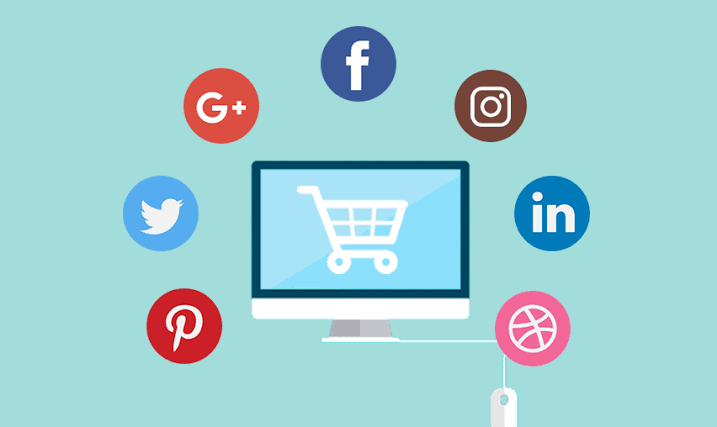
Social media platforms help build brand awareness and engage customers.
Focus Platforms
- Facebook (https://facebook.com)
- Instagram (https://instagram.com)
- TikTok (https://www.tiktok.com/en/)
- Pinterest (https://www.pinterest.com/)
- LinkedIn (for B2B brands) (https://www.linkedin.com/feed/)
5. Use Influencer Marketing
Influencer marketing has become one of the most effective e-commerce marketing strategies in 2026, helping brands increase visibility, build trust, and drive sales through authentic recommendations. Consumers are more likely to purchase products endorsed by creators they follow and trust than through traditional advertisements. By partnering with the right influencers, businesses can reach highly engaged audiences and generate meaningful results.
Partnering with influencers can help you reach new audiences and build trust.
Tips
- Choose creators whose audience matches your target market.
- Prioritize engagement over follower count.
- Use affiliate links or discount codes to measure performance.
Micro-influencers often deliver better engagement and a more authentic connection with their communities.
6. Build an Email Marketing Strategy for best e-commerce strategies
Email marketing remains one of the highest-performing e-commerce marketing strategies in 2026, delivering an excellent return on investment (ROI) by helping businesses nurture leads, recover abandoned carts, increase repeat purchases, and build long-term customer relationships. A well-planned email marketing strategy enables you to deliver personalized messages that keep your brand top of mind and encourage customers to take action.
Email remains one of the highest-ROI marketing channels.
Essential Email Campaigns
- Welcome emails
- Abandoned cart reminders
- Order confirmations
- Product recommendations
- Seasonal promotions
- Loyalty rewards
- Re-engagement campaigns
Personalized emails based on customer behavior often achieve better open and conversion rates.
7. Personalize the Shopping Experience for best e-commerce Marketing Strategies in 2026
Personalization has become a key differentiator in e-commerce marketing strategies in 2026. Modern consumers expect brands to understand their preferences and deliver tailored shopping experiences. By leveraging customer data and AI-powered technologies, businesses can provide personalized recommendations, targeted promotions, and customized communication that improve customer satisfaction, increase conversions, and foster long-term loyalty.
Customers expect personalized experiences.
Use customer data
- Recommend relevant products
- Personalize emails
- Show recently viewed items
- Offer targeted discounts
- Display personalized homepage content
Personalization can increase customer satisfaction and average order value.
8. Encourage Customer Reviews
Customer reviews have become an essential part of e-commerce marketing strategies in 2026. Before making a purchase, most online shoppers read reviews to evaluate product quality, reliability, and customer satisfaction. Positive reviews not only build trust and credibility but also improve search engine visibility, increase conversion rates, and provide valuable insights for improving your products and services.
Online reviews build credibility and influence buying decisions.
Best Practices fo best e- commerce strategies
- Ask for reviews after delivery.
- Respond to both positive and negative feedback.
- Showcase ratings on product pages.
- Highlight customer photos and testimonials.
Authentic reviews can significantly improve conversion rates.
9. Use Retargeting Ads
Retargeting has become one of the most effective e-commerce marketing strategies in 2026 for converting potential customers who have already shown interest in your products. Since many shoppers don’t make a purchase during their first visit, retargeting ads help re-engage these visitors by displaying personalized ads across platforms like Google, Facebook, Instagram, TikTok, and YouTube. By reminding customers about products they viewed or added to their cart, businesses can increase conversions, reduce cart abandonment, and maximize return on ad spend (ROAS).
Retargeting helps bring back visitors who didn’t purchase.
Show ads to users who:
- Viewed products
- Added items to their cart
- Visited specific pages
- Previously purchased
Retargeting campaigns often have higher conversion rates because they target users already familiar with your brand.
10. Optimize for Mobile Shopping
Mobile commerce continues to dominate online retail, making mobile optimization one of the most important e-commerce marketing strategies in 2026. With the majority of consumers browsing and shopping on smartphones, businesses must provide a fast, seamless, and user-friendly mobile experience. A mobile-optimized website not only improves customer satisfaction but also boosts search engine rankings, increases conversions, and reduces cart abandonment.
A large share of e-commerce traffic now comes from smartphones.
Ensure Your Store
- Loads quickly
- Is responsive on all screen sizes
- Has easy navigation
- Uses readable fonts
- Offers a mobile-friendly checkout
A seamless mobile experience is essential for maximizing conversions.
Final Thoughts
Successful e-commerce marketing is about creating a seamless customer journey- from attracting visitors to converting them into loyal customers. By combining SEO, paid ads, content marketing, email campaigns, influencer partnerships, and personalized experiences, you can build a sustainable growth strategy for your online store.
Remember that marketing is an ongoing process. Therefore Test different approaches, analyze your results, and continuously refine your strategy based on customer behavior and performance data.
Visit our website to explore and experience fashionable world: https://onedigitalsl.com/ , https://onedigitalsl.com/contact/
Sanduni Rajapaksha | 73rd DPDM Intake