
The Sri Lanka gem and jewellery industry ranks among the oldest and most respected trades in the world. For more than two thousand years, this beautiful island has produced some of the finest coloured stones on the planet. Ancient traders even called the country Ratna-Dweepa, which means the Island of Gems. Today, that proud reputation still holds strong. Moreover, the sector supports thousands of families, earns vital foreign exchange, and protects a craft heritage that few nations can match. In this overview, you will learn how the trade works, why Ceylon stones stay famous, and where the market is heading next. Therefore, let us explore this fascinating world of colour, skill, and history.
A Legacy Rooted in Ancient History
Sri Lanka’s bond with precious stones reaches deep into the past. Ancient texts, travellers, and kings all praised the island’s gems. For example, Marco Polo wrote about the rubies and sapphires he saw here during his famous journey. In addition, old records suggest that local stones reached royal courts in Persia, Rome, and China. Because the island sat along busy trade routes, its gems travelled far and wide. As a result, the name Ceylon soon became a mark of quality that buyers trusted. Even now, jewellers across the globe use the word Ceylon to describe top-grade sapphires. Therefore, the trade does not merely sell stones. Instead, it sells a living legacy built over many centuries. This deep history still gives the modern market a powerful edge.
The Growth of the Sri Lanka Gem and Jewellery Industry
Over recent decades, the Sri Lanka gem and jewellery industry has grown from a village craft into a modern export sector. Small family mines still operate across the country. However, larger firms now handle cutting, polishing, and global trade. Furthermore, the government supports the sector through clear rules and strong institutions. The National Gem and Jewellery Authority, often called the NGJA, regulates mining, licensing, and exports. Because of this framework, buyers can trust that every stone follows proper standards. In recent years, officials have worked hard to formalise the market even further. For instance, they have set a bold target to lift annual exports toward one billion US dollars. Consequently, the trade keeps attracting fresh investment and new talent every single year.
The Wide Variety of Sri Lankan Gemstones
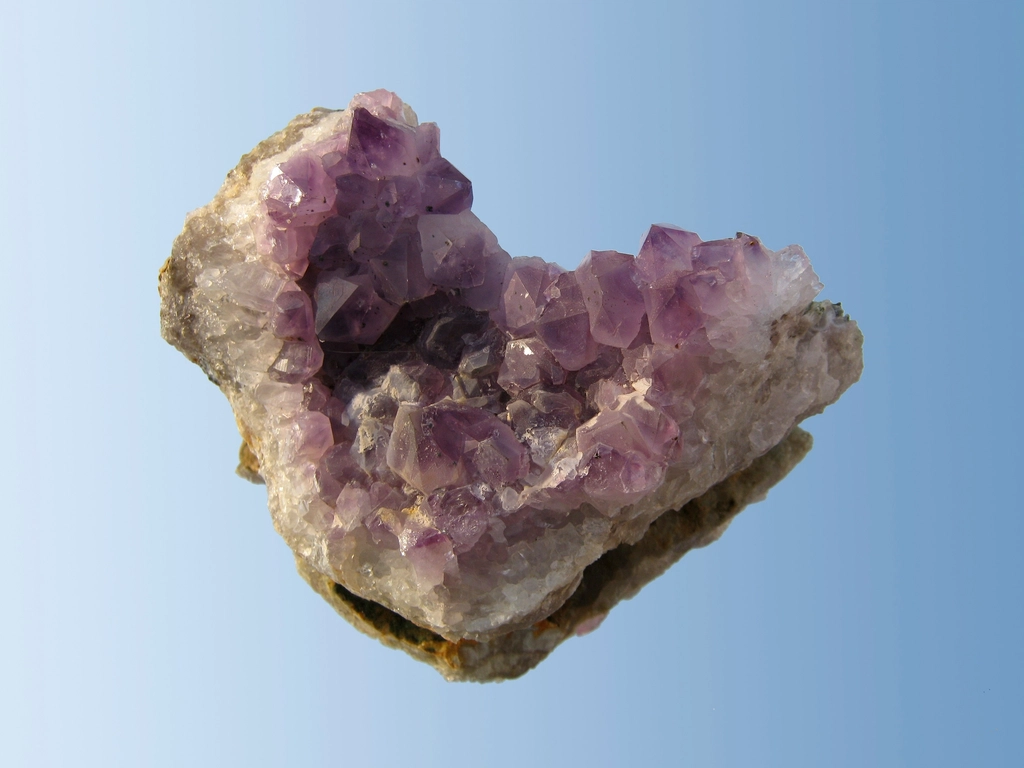
Few places on earth offer as many gem types as this island. In fact, Sri Lanka produces more than forty different varieties of precious and semi-precious stones. Sapphires lead the list, and they appear in a wide range of colours. For example, buyers can find blue, yellow, pink, and white sapphires here. In addition, the rare padparadscha sapphire shows a stunning pink-orange glow. The island also yields rubies, cat’s eye, alexandrite, and star stones. Moreover, moonstone, garnet, topaz, spinel, tourmaline, and zircon all appear in good supply. Because of this rich mix, the Sri Lanka gem and jewellery trade can serve almost any buyer. As a result, dealers often describe the country as a true treasure box of natural colour.
Ratnapura and the Island’s Mining Regions
When people picture Sri Lankan gems, they usually think of Ratnapura first. The name Ratnapura literally means City of Gems. This southern region produces a large share of the country’s stones. In addition, areas such as Elahera, Balangoda, and Okkampitiya hold rich deposits. Miners usually reach the gems through traditional pit mining. First, they dig narrow shafts into gem-bearing gravel known locally as illam. Then, they wash the gravel by hand to reveal the rough stones. This method may look simple. Still, it relies on deep skill passed down through many generations. Because the work stays largely manual, it also creates plenty of rural jobs. As a result, gem mining supports whole communities across the countryside. In this way, the Sri Lanka gem and jewellery industry keeps village economies alive and thriving.
The Famous Ceylon Blue Sapphire
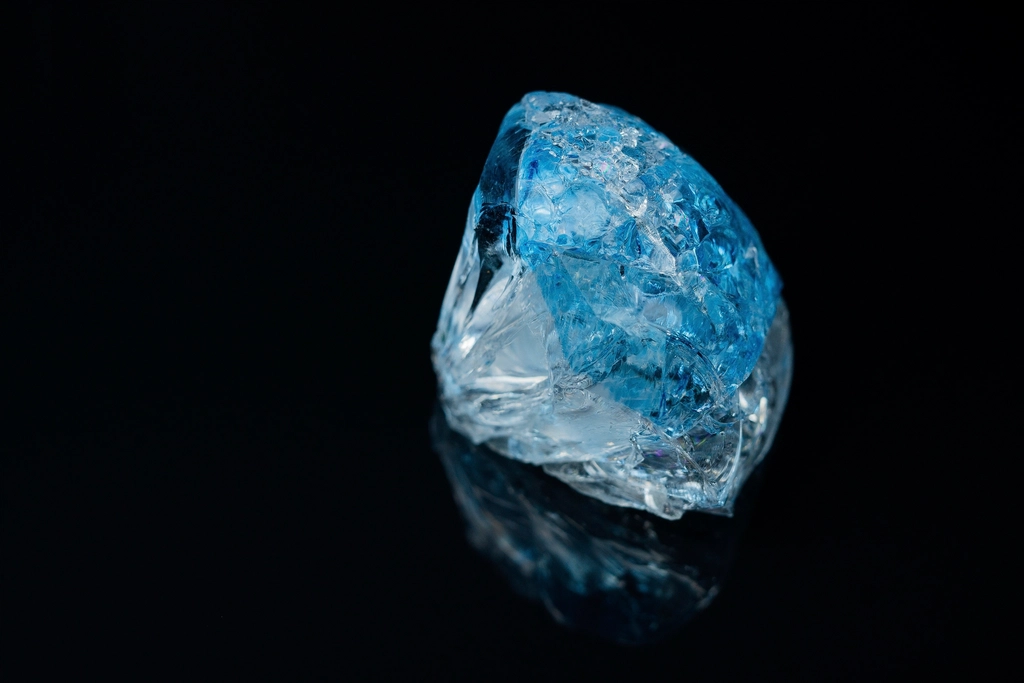
No single stone represents the island better than the Ceylon blue sapphire. These sapphires show a bright, cornflower-blue colour that collectors adore. Moreover, they often display excellent clarity and a lovely inner shine. One famous example sits on a very well-known royal engagement ring. That sapphire, worn by two generations of British royals, first came from Sri Lanka. Because of stories like this, demand for Ceylon sapphires stays remarkably high. Yet the island offers far more than a single blue stone. For instance, the same mines also yield rubies, star sapphires, and rare padparadscha gems. In addition, moonstone from the village of Meetiyagoda enjoys real global fame. Therefore, buyers view Sri Lanka as a genuine home of fine coloured gems.
How Gems Move From Mine to Market
The journey of a single gemstone involves many careful steps. First, miners recover the rough stone from the washed gravel. Next, skilled cutters study each piece to plan the best possible shape. After that, they cut and polish the stone to reveal its colour and fire. Because this stage needs great precision, master cutters train for many years. Then, the finished gems move on to dealers and auction houses. In many cases, buyers gather at trade fairs to view the newest stock. For example, the FACETS Sri Lanka show brings the global trade to Colombo each year. Finally, the stones travel on to jewellers and collectors around the world. Throughout this chain, the Sri Lanka gem and jewellery trade treats quality control as a top priority.
Craftsmanship and Modern Jewellery Design
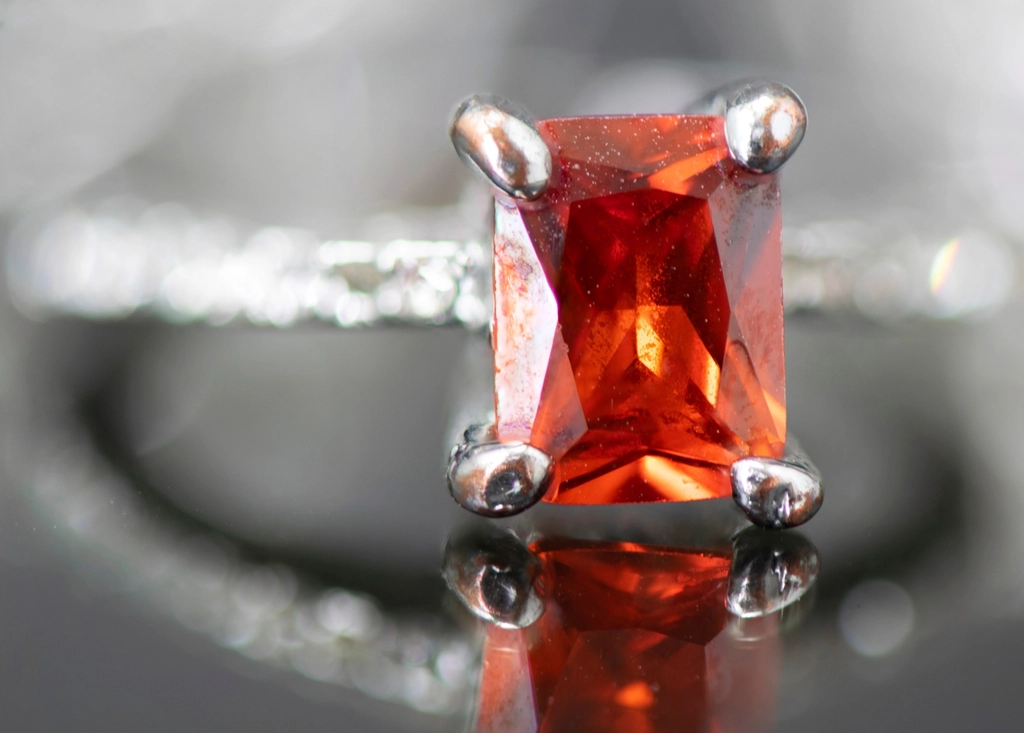
Sri Lanka does not only supply loose stones. In fact, the country also creates beautiful finished jewellery. Local designers blend old techniques with fresh, modern ideas. As a result, they craft pieces that appeal to both traditional and younger buyers. Moreover, many workshops now use advanced tools such as computer-aided design. This technology helps artisans work faster and with far greater accuracy. Still, hand craftsmanship remains at the very heart of the trade. For example, skilled workers set each stone by hand to protect its natural beauty. Because of this careful balance, the Sri Lanka gem and jewellery sector offers both quality and character. Consequently, more international brands now choose to source their designs from the island.
Economic Impact of the Sri Lanka Gem and Jewellery Industry
The gem and jewellery trade plays a major role in the national economy. To begin with, it earns valuable foreign currency for the country. In addition, it provides work for hundreds of thousands of people. These workers include miners, cutters, designers, and traders. Because the industry spreads across both rural and urban areas, its benefits reach very far. Furthermore, gem exports rank among the country’s top non-traditional earners. In recent years, the sector has brought in several hundred million dollars each year. However, the government believes the real potential is much higher. Therefore, officials now aim to push annual exports well beyond that mark. If this plan succeeds, the Sri Lanka gem and jewellery industry could transform many local communities for good.
Colombo as a Global Trading Hub
Beyond the mines, the city of Colombo serves as the trade’s beating heart. Here, dealers, exporters, and international buyers meet to do business. In addition, the capital hosts major auctions and gem exhibitions every year. For example, the FACETS show draws visitors from dozens of countries. Because these events gather so many experts, they help shape global prices. Moreover, Colombo offers modern testing labs that certify each stone’s quality and origin. These certificates then give buyers real peace of mind. As a result, the Sri Lanka gem and jewellery trade enjoys a trusted place in the world market. Furthermore, strong air links make it easy to ship stones across the globe. Therefore, the city plays a vital role in the wider supply chain.
Ethical Sourcing in the Sri Lanka Gem and Jewellery Industry
Modern buyers care deeply about where their gems come from. Fortunately, Sri Lanka enjoys a strong name for responsible mining. For a start, most mining here stays small in scale and gentle in impact. Miners rarely use heavy machinery or harmful chemicals. Instead, they rely on traditional, hand-based methods. As a result, the environmental footprint stays fairly light. Moreover, the law requires miners to refill and restore old pits. This simple rule helps protect valuable farmland and natural habitats. In addition, the country promotes fair treatment of workers across the trade. Because of these efforts, the Sri Lanka gem and jewellery industry appeals to ethical jewellers worldwide. Consequently, responsible sourcing has quickly become a real selling point for the island.
Challenges Facing the Sri Lanka Gem and Jewellery Industry
Despite its many strengths, the trade still faces some real problems. First, an informal market allows a few deals to slip past official channels. As a result, the country can lose both tax income and export value. Second, a shortage of young workers now threatens traditional skills. Many young people simply prefer office jobs over mining and cutting. In addition, global competition keeps rising every year. Countries such as Thailand and Madagascar also supply fine coloured stones. Furthermore, sudden price swings in world markets can hurt local traders. However, the Sri Lanka gem and jewellery sector continues to adapt and respond. For example, new training programmes now aim to attract and skill young workers. Therefore, most experts still feel hopeful about the road ahead.
Tips for Buying Sri Lankan Gemstones
Many readers may wish to buy a Ceylon stone one day. Fortunately, a few simple tips can help a great deal. First, always ask for a proper certificate from a trusted laboratory. This document confirms the stone’s identity and origin. Second, buy from a licensed and well-known dealer whenever possible. In addition, learn the basic four Cs: colour, clarity, cut, and carat weight. Because colour drives value most in coloured stones, study it with real care. Moreover, view each gem in natural light before you decide. For example, a true Ceylon sapphire should glow with a soft, even blue. Finally, take your time and never rush the choice. In this way, you can enjoy a genuine piece of the island’s proud heritage.
The Future of the Sri Lanka Gem and Jewellery Industry
The future of the Sri Lanka gem and jewellery industry looks bright and full of promise. To begin with, the government plans to formalise more of the trade. This move should boost both revenue and buyer trust. In addition, digital tools now help sellers reach global customers online. As a result, small traders can market their stones far beyond local fairs. Moreover, value addition offers a huge opportunity. Instead of exporting only rough stones, the country can cut, polish, and set them at home. Because finished pieces sell for much more, this shift could lift earnings sharply. Furthermore, ethical demand keeps rising across the world. Therefore, the island now sits in a strong position to grow for years to come.
Gem Tourism and Cultural Value
Gems also play a proud role in the island’s culture and tourism. Every year, curious visitors travel to Ratnapura to watch the mining and cutting up close. In addition, many tourists enjoy shopping for a genuine Ceylon stone as a lasting keepsake. Because these gems carry real history, they often make truly meaningful gifts. Moreover, local museums and workshops now welcome guests who want to learn more. For example, some centres show the full journey from rough stone to a finished ring.
As a result, the Sri Lanka gem and jewellery industry adds real value to the wider tourism trade. Furthermore, this cultural link helps promote the whole country to the world. In many homes, families also pass down gem jewellery from one generation to the next. Therefore, these stones hold both deep sentiment and lasting worth. In short, gems remain far more than simple objects of trade. Instead, they shine as bright symbols of national pride, skill, and heritage.
Final Thoughts
The Sri Lanka gem and jewellery industry blends ancient heritage with modern ambition. From the mines of Ratnapura to the famous Ceylon blue sapphire, the island truly offers something special. Moreover, the trade supports countless families and earns vital income for the whole nation. Yes, real challenges still remain. Even so, strong demand, ethical practices, and fresh investment all point toward a bright path. In short, this proud industry remains a shining part of the country’s living story. For anyone who loves fine gems, Sri Lanka will always deserve a top spot on the world map. To keep exploring, browse more of our guides on gems and jewellery.