
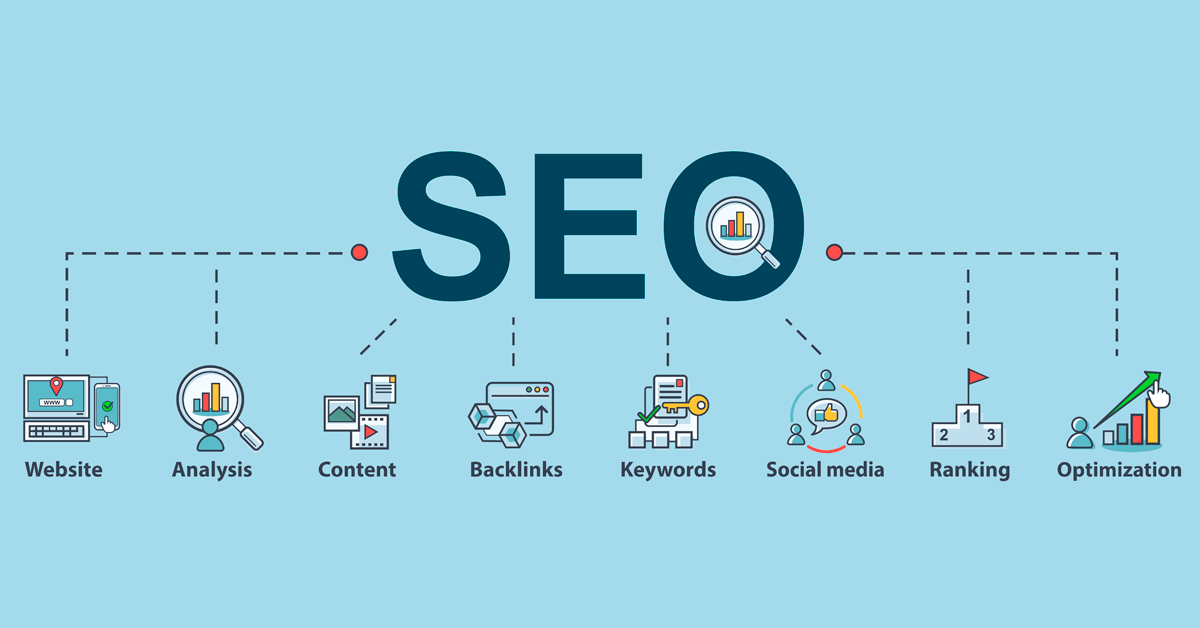
AI and digital marketing are transforming how businesses approach SEO in 2026. As artificial intelligence becomes deeply integrated into search engines, traditional optimisation methods are no longer enough to maintain visibility.
At the same time, businesses are facing a major shift in how users discover information online. Rather than clicking links, users now receive instant answers directly from AI systems. Because of this change, traditional SEO strategies are no longer enough. This article explores how AI and digital marketing intersect in 2026 and explains what marketers must do to stay competitive.
The Shift to Zero-Click Searches in AI and Digital Marketing
Search behaviour has changed significantly in recent years. Today, many users receive answers without ever visiting a website. As a result, organic clicks are declining across many industries. AI overviews and zero-click searches are becoming more common, especially as Google continues to integrate generative AI directly into search results.
Previously, ranking first meant winning traffic. However, that approach no longer guarantees visibility. Instead, brands must focus on being cited as reliable sources within AI-generated answers. Therefore, success in modern SEO depends on how clearly and accurately content is structured for AI systems.
Understanding the New SERP Layout
Modern search engine results pages look very different from traditional layouts. For example, AI summaries often appear above organic listings. In addition, sponsored content and interactive elements push links further down the page.
Because of this structure, users may never scroll far enough to see standard results. Consequently, content must be optimised for clarity and direct answers. When information is easy to extract, AI systems are more likely to reference it. In contrast, vague or overly long explanations are often ignored.
How to Win Position Zero
Winning position zero requires a focused content strategy. First, questions must be answered clearly and quickly. Long introductions should be avoided whenever possible. Instead, the most important information should appear early in the content.
Moreover, concise explanations improve both readability and AI interpretation. If content delays the answer, AI systems may select another source. Therefore, clarity, structure, and relevance are essential for earning prominent visibility.
The Importance of Information Gain
In AI-driven search, originality matters more than ever. Search engines prioritise content that adds new value rather than repeating existing ideas. For instance, articles that simply summarise common knowledge rarely stand out.
To improve information gain, marketers should include original insights, real-world examples, or unique perspectives. As a result, content becomes more valuable within the AI knowledge ecosystem. Instead of competing only for clicks, brands compete for trust and authority.
Why E-E-A-T Matters in AI and Digital Marketing in 2026
As AI-generated content floods the internet, trust has become a critical ranking factor. Google’s E-E-A-T framework—Experience, Expertise, Authoritativeness, and Trustworthiness—plays a key role in evaluating content quality.
Although AI can generate text quickly, it cannot replace genuine human experience. Therefore, search engines increasingly reward content that demonstrates real-world knowledge. This shift helps users distinguish between authentic insights and automated content.
Experience as a Competitive Advantage
Experience is now a major differentiator in SEO. Rather than relying solely on theory, successful content reflects practical involvement. For example, sharing lessons from real projects strengthens credibility.
Additionally, firsthand insights are difficult for AI to replicate convincingly. Because of this, content that includes personal observations or case studies often performs better. Over time, such signals help build long-term trust.
Building Authority and Trust Online
Authority is no longer built through backlinks alone. Instead, brand mentions, social proof, and consistent online presence all contribute to credibility. When a brand is frequently referenced across platforms, AI systems view it as more reliable.
Furthermore, consistency across websites, profiles, and directories reinforces trust. Even small discrepancies can weaken credibility. Therefore, maintaining accurate and uniform information is essential in AI-driven marketing.
Optimising AI and Digital Marketing for Answer Engines
Search engines are gradually evolving into task-oriented systems. AI agents now assist users by providing direct solutions rather than lists of links. Consequently, content must be optimised for action-based queries.
Structured data plays a crucial role in this process. By using schema markup, websites help AI systems understand key details such as pricing, reviews, and availability. As a result, AI agents can retrieve and present information more effectively.
Conversational Search and User Intent
Search queries are becoming more conversational. Instead of short keywords, users now ask detailed questions. Because of this trend, content must reflect natural language patterns.
FAQ sections are particularly effective in this context. By addressing specific questions directly, content aligns better with conversational search. In turn, AI systems are more likely to select these answers for voice assistants and chat interfaces.
The Role of AI and Digital Marketing in Multimodal SEO
Text alone is no longer sufficient for strong SEO performance. Modern AI systems understand images, videos, and audio. Therefore, a multimodal content strategy is essential.
Visual search tools, such as image recognition features, continue to grow in popularity. As a result, well-optimised visuals can generate additional traffic and visibility.
Optimising Visual Assets in AI and Digital Marketing
Images must be treated as valuable SEO assets. High-quality, original visuals send stronger signals to AI systems than generic stock photos. For this reason, custom graphics and screenshots are recommended.
In addition, optimised images improve user engagement. When users interact with visual elements, dwell time increases. Consequently, search engines interpret this behaviour as a quality signal.
Video as a Search Engine
Video content has become a major discovery channel. Platforms like YouTube function as search engines in their own right. Moreover, AI-driven transcription allows videos to appear in traditional search results.
By repurposing written content into videos, marketers expand their reach. Embedding videos within articles also enhances user experience. As a result, content becomes more engaging and more discoverable.
Balancing AI Efficiency with Human Creativity
AI tools offer speed and efficiency. However, relying on automation alone creates risks. While AI can assist with research and formatting, human creativity remains essential.
Therefore, the most effective approach combines both. AI handles repetitive tasks, while humans provide insight, empathy, and originality. This balance helps content stand out in an increasingly automated landscape.
The Cyborg Method
The Cyborg Method represents this hybrid approach. Instead of replacing human input, AI enhances it. For example, AI can identify content gaps, while humans fill them with meaningful perspectives.
As a result, content becomes both data-driven and emotionally engaging. This combination is difficult to replicate using automation alone.
Conclusion
Ultimately, AI and digital marketing are evolving together. SEO is not disappearing; instead, it is becoming more sophisticated. While outdated tactics no longer work, trust-focused and user-centred strategies continue to thrive.
To succeed in 2026, marketers must adapt to zero-click searches, prioritise E-E-A-T, and embrace multimodal content. At the same time, human creativity should remain at the core of every strategy. By balancing technology with authenticity, brands can achieve sustainable visibility in an AI-driven future.
AI and digital marketing will continue to evolve as search technology advances. Businesses that align AI and digital marketing strategies with user-focused SEO principles will achieve long-term visibility and trust.
To explore more insights on digital marketing and SEO, visit our digital marketing resources page.