
Introduction
In today’s digital world, having a website is only the first step toward building a strong online presence. However, simply launching a website is not enough. The real challenge is making sure people can actually find your website when they search on Google and other search engines. This is exactly where Search Engine Optimization (SEO) becomes essential.
Whether you are a business owner, blogger, digital marketer, or student, understanding SEO can help you reach a wider audience. More importantly, it allows you to attract qualified visitors, increase brand awareness, and generate more leads without relying entirely on paid advertising.
Fortunately, SEO is not as complicated as it may seem. Once you understand the basics, you can start improving your website step by step. As a result, your content has a better chance of appearing in search results when potential customers look for information related to your business.
In this beginner-friendly guide, you will learn what SEO is, how it works, why it matters, and the most effective techniques you can use to improve your website’s visibility in 2026. In addition, you will discover practical SEO tips that can help you build long-term organic traffic and achieve sustainable online growth.
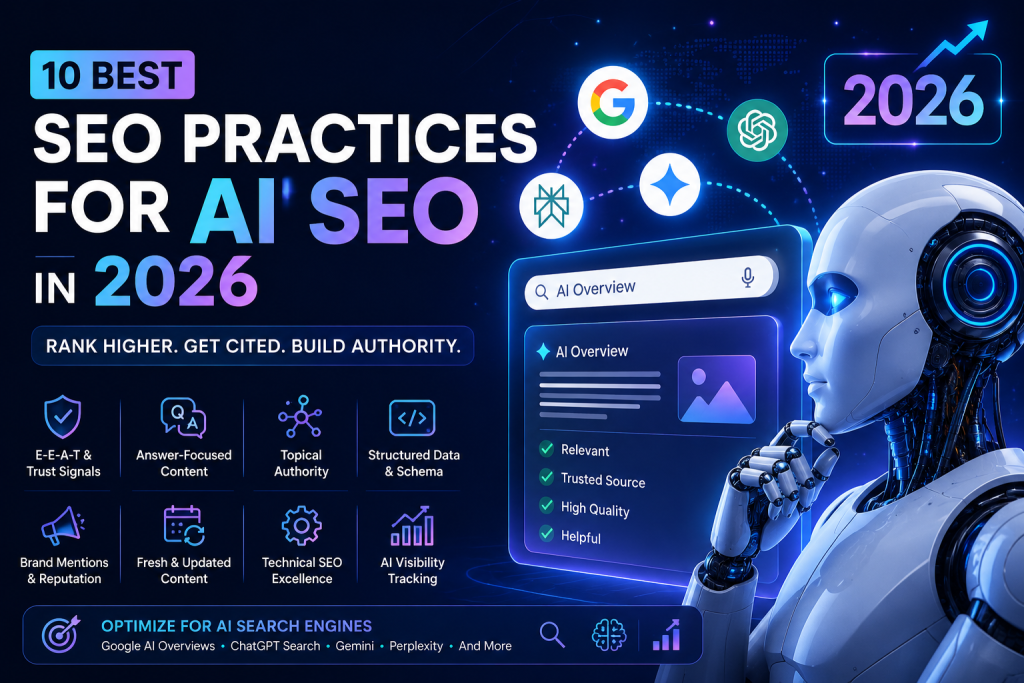
What is SEO?
Search Engine Optimization (SEO) is the process of improving a website so that it ranks higher in the organic (non-paid) search results of search engines such as Google. In other words, SEO helps your website become more visible to people who are actively searching for information, products, or services online.
The primary goal of SEO is to increase both the quantity and the quality of your website traffic. To achieve this, search engines must clearly understand your content. At the same time, your website should provide users with valuable, relevant, and trustworthy information that matches their search intent.
As a result, well-optimized websites are more likely to earn higher rankings in search results. Consequently, they attract more qualified visitors and create greater opportunities for leads, sales, and long-term business growth.
For example, if someone searches for “best digital marketing course in Sri Lanka,” a website that follows SEO best practices is much more likely to appear on the first page of Google. Therefore, businesses that invest in SEO can reach their target audience more effectively and generate consistent organic traffic without relying entirely on paid advertising.
Why is SEO Important?
SEO is one of the most effective digital marketing strategies because it helps businesses reach potential customers at the exact moment they search for information, products, or services online. As a result, businesses can attract highly targeted visitors who are already interested in what they offer.
In addition, SEO does much more than improve search engine rankings. It also strengthens your online presence, builds trust with your audience, and supports long-term business growth. Therefore, businesses of all sizes invest in SEO as part of their digital marketing strategy.
Some of the key benefits of SEO include:
- Increasing organic website traffic
- Building credibility and trust with your audience
- Improving the overall user experience
- Generating high-quality leads
- Reducing long-term marketing costs
- Supporting sustainable business growth
- Delivering a better return on investment (ROI) than many paid advertising methods
Furthermore, SEO continues to provide value long after your content is published. Unlike paid advertising, which stops generating traffic as soon as your budget runs out, SEO can drive consistent organic traffic for months or even years. Consequently, it becomes a cost-effective strategy for businesses that want to achieve long-term online success.
How Do Search Engines Work?
Before displaying search results, search engines such as Google follow three essential steps. First, they discover web pages. Next, they organize the information they find. Finally, they rank the most relevant pages based on the user’s search query.
1. Crawling
First, Google uses automated programs known as crawlers or spiders to discover new and updated web pages across the internet. These bots continuously scan websites by following links and collecting information about each page.
2. Indexing
Once Google has crawled a webpage, it analyzes the content and stores the information in a massive database called the search index. As a result, Google can quickly retrieve relevant pages whenever someone performs a search.
3. Ranking
Finally, when a user enters a search query, Google’s algorithm evaluates hundreds of ranking factors to determine which pages provide the most relevant and helpful answers. These factors may include content quality, relevance, page experience, website authority, and many other signals.
Consequently, the pages that best match the user’s search intent appear higher in the search results. Therefore, creating valuable, well-optimized content significantly increases your chances of earning better rankings and attracting more organic traffic
Types of SEO
.SEO can be divided into three main categories. Although each type focuses on a different aspect of optimization, they all work together to improve your website’s visibility, search rankings, and overall performance. Therefore, understanding each type of SEO is essential for building a successful long-term SEO strategy.
1. On-Page SEO
On-page SEO focuses on optimizing the content and structure of individual web pages. Its main purpose is to help both search engines and users understand your content more easily.
Some of the most important on-page SEO factors include:
- High-quality content
- Keyword optimization
- Title tags
- Meta descriptions
- Heading tags (H1, H2, and H3)
- Internal linking
- Image optimization
- SEO-friendly URL structure
In addition, creating valuable and well-organized content improves the user experience and increases your chances of ranking higher in search results. As a result, good on-page SEO helps search engines understand your content more effectively.
2. Off-Page SEO
While on-page SEO focuses on your website, off-page SEO refers to activities that take place outside your website to improve its authority, credibility, and reputation.
Some common off-page SEO techniques include:
- Building high-quality backlinks
- Social media sharing
- Brand mentions
- Guest blogging
- Online reviews
Furthermore, backlinks from trusted and authoritative websites act as recommendations for your content. Consequently, search engines view your website as more trustworthy, which can lead to higher rankings.
3. Technical SEO
Technical SEO focuses on improving the technical performance of your website. In other words, it ensures that search engines can crawl, index, and understand your website without any issues.
Some of the key technical SEO elements include:
- Fast website speed
- Mobile-friendly design
- Secure HTTPS connection
- XML sitemap
- Robots.txt file
- Structured data (Schema markup)
- Fixing broken links
- Improved crawlability
Finally, a technically optimized website provides a better experience for both users and search engines. Therefore, improving your site’s technical foundation can enhance search visibility, increase indexing efficiency, and support better rankings over time.
What is Keyword Research?
Keyword research is the process of identifying the words and phrases that people type into search engines when looking for information, products, or services. In other words, it helps you understand what your target audience is searching for online.
Choosing the right keywords is essential because it allows businesses to create content that matches user search intent. As a result, search engines can better understand your content and display it to the right audience. Consequently, your website has a greater chance of ranking higher in search results and attracting qualified organic traffic.
For example, some common SEO keywords include:
- SEO for beginners
- Digital marketing course
- Website optimization
- Learn SEO online
In addition, many SEO professionals focus on long-tail keywords, which are longer and more specific search phrases. Although these keywords usually have lower search volume, they often have less competition and attract users with clear search intent.
Therefore, long-tail keywords are generally easier to rank for and can drive highly targeted traffic to your website. Ultimately, using a combination of short-tail and long-tail keywords can help you build a stronger and more effective SEO strategy.
Content is the Foundation of SEO
Quality content remains one of Google’s strongest ranking factors.
Good SEO content should:
- Answer users’ questions clearly
- Be original and informative
- Include keywords naturally
- Be easy to read
- Use headings and bullet points
- Be updated regularly
- Provide real value to readers
Instead of writing only for search engines, businesses should always write for people first.
Common SEO Ranking Factors
Google considers many ranking signals when deciding where a webpage should appear in search results. However, no single factor determines your ranking. Instead, Google evaluates a combination of signals to identify the pages that provide the most relevant and helpful experience for users.
Some of the most important Google ranking factors include:
- Relevant and high-quality content
- Matching user search intent
- Fast page speed
- Mobile responsiveness
- Positive user experience (UX)
- High-quality backlinks
- Secure website (HTTPS)
- Effective internal linking
- Optimized images
- Clear and well-organized page structure
In addition, Google regularly updates its algorithms to improve the quality of search results. Therefore, website owners should focus on creating valuable content while following SEO best practices.
Ultimately, achieving higher rankings requires a balanced SEO strategy rather than relying on a single ranking factor. As a result, combining high-quality content, technical optimization, and a great user experience gives your website the best opportunity to improve its visibility and attract consistent organic traffic over time.
Common SEO Mistakes Beginners Should Avoid
Many beginners unknowingly make SEO mistakes that reduce their website’s visibility and limit its chances of ranking well in search results. However, by understanding these common issues, you can avoid them and build a stronger SEO foundation.
Some of the most common Website optimization mistakes include:
- Keyword stuffing
- Publishing duplicate content
- Ignoring mobile optimization
- Having a slow-loading website
- Missing meta descriptions
- Poor internal linking
- Building low-quality backlinks
- Failing to update outdated content
- Using unclear or poorly optimized page titles
In addition, many website owners overlook the importance of regularly reviewing and improving their existing content. As a result, outdated pages may lose rankings over time and attract fewer visitors.
Therefore, you should update your content, improve your website’s performance, and follow current Website optimizationbest practices on a regular basis. Ultimately, avoiding these common mistakes can improve your search rankings, enhance the user experience, and drive more consistent organic traffic.
Essential SEO
Several free and paid SEO tools can help beginners monitor, analyze, and improve their website performance. In addition, these tools provide valuable insights into keyword rankings, website traffic, technical issues, and user behavior.
By using the right Search visibility tools, you can better understand how your website performs in search engines. As a result, you can identify areas for improvement and make data-driven decisions to increase your organic visibility.
Some popular SEO tools include:
- Google Search Console
- Google Analytics
- Google Keyword Planner
- Ahrefs
- SEMrush
- Screaming Frog Search visibility Spider
- Google Trends
Furthermore, these tools help you discover valuable keywords, track search performance, analyze competitors, find technical errors, and optimize your content. Therefore, using SEO tools regularly can make it easier to create effective strategies and achieve better search rankings.
Ultimately, the right combination of SEO tools allows beginners to measure progress, improve website performance, and build a stronger online presence over time.
SEO Best Practices for 2026
SEO continues to evolve as search engines become more advanced and better at understanding user needs. Therefore, businesses and website owners must follow updated SEO strategies to maintain strong visibility in search results.
In addition, modern Organic search optimization is no longer only about keywords and rankings. Instead, it focuses on creating valuable content, improving user experience, and building trust with your audience.
Some recommended Organic search optimization best practices for 2026 include:
- Creating people-first content that provides real value
- Focusing on search intent and understanding what users need
- Improving page loading speed for a better user experience
- Optimizing websites for mobile devices
- Building high-quality backlinks from trusted websites
- Updating existing content regularly
- Using clear and descriptive headings
- Improving website security with HTTPS
- Optimizing images for faster performance
- Monitoring website performance continuously
Furthermore, businesses should regularly review their SEO strategies because search engine algorithms continue to change. As a result, staying updated with the latest SEO trends can help websites maintain better rankings and attract more organic traffic.
Ultimately, a successful SEO strategy strategy requires consistent improvement, valuable content, and a strong focus on user experience. By following these best practices, businesses can build a stronger online presence and achieve long-term growth in 2026.
The Future of SEO
SEO strategy is continuously changing as artificial intelligence and smarter search algorithms continue to develop. Therefore, businesses and marketers need to understand these changes and adjust their strategies to remain competitive.
In the past, Search engine optimization often focused mainly on adding keywords to webpages. However, modern Search engine optimization has become much more advanced. Instead, search engines now focus on understanding the overall quality, usefulness, relevance, and trustworthiness of online content.
As a result, websites that provide accurate information, valuable solutions, and excellent user experiences are more likely to achieve better performance in search results. Furthermore, creating content that genuinely helps users can build trust and improve long-term organic visibility.
In addition, SEO professionals must continue learning and adapting as technology evolves. By staying updated with the latest industry trends and adopting new optimization techniques, they can create more effective SEO strategies.
Ultimately, the future of SEO will belong to websites that focus on users first, provide meaningful content, and continuously improve their online experience.
Conclusion
Search Engine Optimization (SEO) is one of the most valuable digital marketing skills that individuals and businesses can learn. It helps websites improve their visibility, attract targeted visitors, and achieve long-term online success. In addition, SEO allows businesses to grow organically without depending completely on paid advertising.
For beginners, SEO may seem challenging at first. However, learning the fundamentals can create a strong foundation for future success. These key areas include keyword research, high-quality content creation, on-page optimization, off-page Website optimization and technical Search visibility
Furthermore, Search visibility is not a one-time activity. Instead, it is an ongoing process that requires continuous improvement. This includes updating content, enhancing user experience, monitoring website performance, and adapting to changes in search engine algorithms.
As a result, individuals and businesses that follow SEO best practices can improve their search rankings, increase organic traffic, and build a stronger online presence. Ultimately, by consistently creating valuable content and focusing on user needs, SEO strategy can help achieve sustainable growth in the ever-changing digital world.
To learn more about Search engine optimization, visit Google Search Central.https://developers.google.com/search
other important articleshttps://onedigitalsl.com/seo-guide-for-beginners-48th-dpdm-zama-rifaz/