
Introduction
Digital marketing is changing faster than at any point in the last decade. Artificial intelligence now writes ad copy, answers customer questions, and decides which brands get mentioned in a chatbot response. Search behavior is shifting away from the classic list of blue links. And audiences are demanding content that feels human, not automated. If you run a business, manage a marketing team, or simply want to stay ahead of the curve, you need to understand the digital marketing trends shaping 2026. This guide breaks down the ten trends that matter most right now, why they matter, and how you can start acting on them today.
Why Digital Marketing Trends Matter in 2026
Every year, marketers face a new wave of tools, platforms, and consumer habits. But 2026 feels different. Three forces are converging at once: mature generative AI, tighter privacy regulations, and a fundamental shift in how people search for information.
Because of this convergence, businesses that rely on outdated playbooks risk losing visibility. Meanwhile, companies that adapt early are already seeing stronger engagement and more efficient ad spend. Understanding these digital marketing trends isn’t optional anymore. It’s the foundation of a competitive strategy.
With that context in mind, here are the ten trends worth your attention this year.
The Top 10 Digital Marketing Trends for 2026
1. AI-Powered Personalization at Scale.
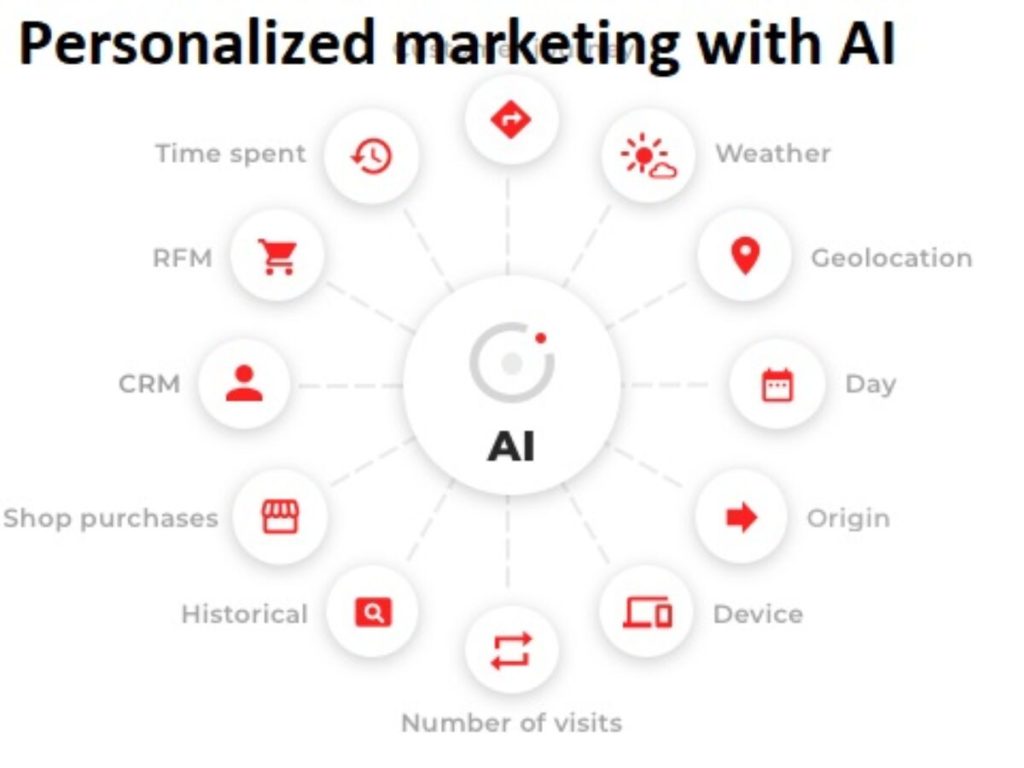
Personalization has been a marketing buzzword for years. In 2026, it finally has the technology to back it up. AI models now analyze browsing behavior, purchase history, and real-time intent signals to deliver tailored content, offers, and product recommendations to individual users.
Instead of segmenting audiences into broad groups, brands can now personalize experiences for each customer. This means smarter email flows, dynamic website content, and ads that adjust based on what a user actually cares about. As a result, businesses that invest in AI-driven personalization tend to see higher conversion rates and stronger customer loyalty.
2. Digital marketing trends – Generative Engine Optimization (GEO).
This is arguably the biggest shift in search marketing since the rise of mobile. Traditional SEO focuses on ranking a link in a results page, while GEO focuses on getting a brand, statistic, or definition cited directly inside an AI-generated answer. In other words, users may never click through to your site, but they still absorb your information and associate it with your brand.
Zero-click searches have grown significantly since AI Overviews rolled out, and the majority of AI citations come from earned, third-party content rather than paid placements. That means authority, original data, and clear, well-structured answers matter more than ever.
To adapt, start structuring your content to directly answer specific questions. Include original research, cite credible sources, and build topical authority around the subjects your audience searches for. GEO builds on classic SEO fundamentals, so if your foundation is solid, you already have a head start.
3. Short-Form and Shoppable Video.
Video content, especially short-form, continues to dominate attention spans across every major platform. But the format is evolving. Video is no longer just a top-of-funnel brand awareness tool. It’s becoming a direct sales channel.
Shoppable video now integrates the entire purchase funnel directly into the content itself, turning a high-attention streaming or social moment into an immediate buying opportunity. For businesses, this means video content should do more than entertain. It should make it effortless for a viewer to go from watching to buying in a single tap.
4. digital marketing trends – Social Commerce Growth.
Social platforms have quietly become full-fledged shopping destinations. Product tags, in-app checkout, live shopping events, and creator storefronts are turning feeds into storefronts. For younger audiences especially, discovering a product and purchasing it can now happen without ever leaving the app.
Businesses that treat social media purely as a branding channel are leaving revenue on the table. Instead, successful brands are building native shopping experiences directly into their social presence, reducing friction between discovery and purchase.
5. Digital marketing trends – Creator-Led, Human-First Content.
As AI-generated content floods the internet, audiences are craving the opposite: authenticity. The latest marketing trends point toward AI-powered personalization alongside rising creator influence and a broader shift toward more authentic, human-centered content across digital channels.
Creator partnerships, employee-generated content, and behind-the-scenes storytelling are outperforming polished, corporate messaging. People trust people, not logos. Businesses that lean into genuine voices, whether from creators, customers, or their own team, tend to build stronger, longer-lasting relationships with their audience.
6. Retail Media Networks and Programmatic Advertising.
Retail media, meaning ads placed directly on retailer websites and apps, is becoming one of the fastest-growing corners of digital advertising. Off-site programmatic retail media is projected to grow twice as fast as on-site spend, offering closed-loop measurement that links ad exposure directly to verified purchases.
This matters because it solves one of advertising’s oldest problems: proving that an ad actually led to a sale. For businesses selling physical products, retail media offers a level of measurement transparency that traditional display advertising can’t match.https://www.emarketer.com/content/top-trends-watch-2026
7. Cross-Channel Measurement and Marketing Mix Modeling.
As data privacy regulations tighten and third-party cookies fade further into irrelevance, marketers are losing some of their favorite tracking tools. The fragmentation of ad channels and data sources now requires a new approach to measuring the whole customer journey, which is driving significant investment in Marketing Mix Modeling.
Rather than relying on last-click attribution, businesses are turning to statistical models that estimate the impact of every channel, online and offline, on overall performance. This shift requires new skills and new tools, but it produces a far more honest picture of what’s actually driving growth.
8. Voice Search and Conversational AI Agents.
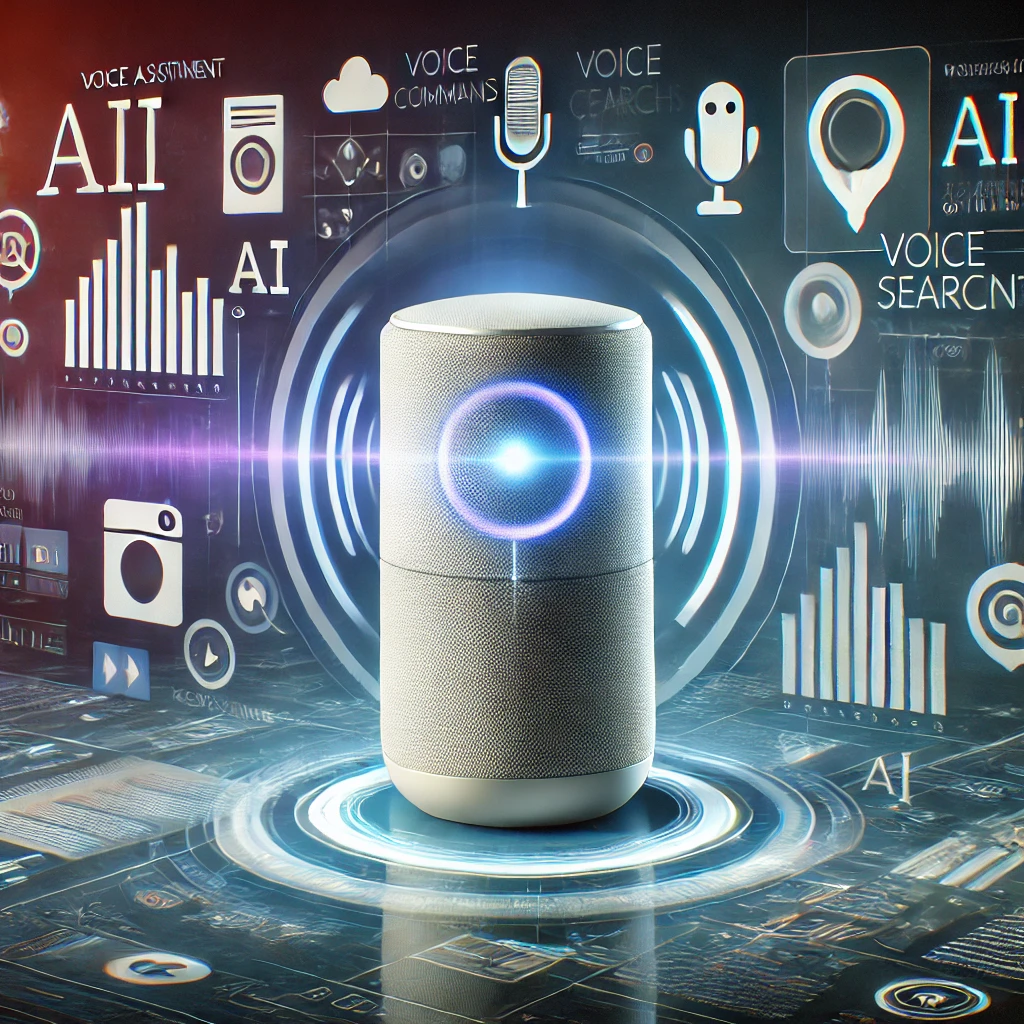
Typing a search query is no longer the default. Voice assistants, chat interfaces, and AI agents are changing how people ask questions and expect answers. However, even AI-enthusiastic consumers still hesitate to let digital agents make autonomous purchase decisions, which means generative AI tools currently support research and discovery far more than they support the transaction itself.
For businesses, this means optimizing content for natural, conversational language, not just keyword phrases. Think about the actual questions your customers ask out loud, and make sure your content answers them clearly and directly.
9. Immersive Experiences with AR and VR.
Augmented reality and virtual reality remain among the most exciting digital marketing trends, allowing brands to bridge the gap between digital content and real-world engagement through interactive experiences. Virtual try-ons, immersive product demos, and branded AR filters give customers a way to experience a product before they buy it.
While AR and VR were once considered gimmicks, improved hardware and wider adoption are making these tools genuinely useful for reducing purchase hesitation, especially in fashion, beauty, and home goods.
10. Present-Focused, Value-Driven Marketing.
Consumer priorities are shifting. In a period of sustained economic uncertainty, long-term goals are losing some of their pull, and consumers increasingly favor a sense of progress they can feel right now over a distant, far-off milestone. This is a rational response to a world that feels less predictable than it used to.
For brands, that means shifting messaging away from abstract, long-term promises and toward tangible, immediate value. Loyalty programs are following the same pattern, replacing single big rewards with smaller, more frequent milestones that keep customers engaged along the way.
How to Prioritize These Trends for Your Business?
You don’t need to chase every trend at once. Instead, start by asking three questions:
- Where does your audience already spend their attention? If your customers are heavy social media users, prioritize social commerce and creator content before investing in AR.
- What data do you already have? If you have strong first-party data, AI-powered personalization will deliver results faster than starting from scratch with GEO.
- What can your team realistically execute this quarter? Small businesses often see the fastest wins from short-form video and human-first content, since both require creativity more than budget.
Common Mistakes to Avoid.
Even well-intentioned marketing teams stumble when adopting new trends. Watch out for these pitfalls:
- Chasing every trend at once. Spreading your budget too thin across ten initiatives usually produces weaker results than focusing on two or three.
- Ignoring measurement. Adopting retail media or GEO without a way to track performance leaves you guessing instead of improving.
- Over-relying on AI-generated content. Automation helps with speed, but audiences can tell when content lacks a human voice. Balance efficiency with authenticity.
- Treating trends as one-time projects. Digital marketing trends evolve continuously. Build a habit of reviewing and adjusting your strategy every quarter, not once a year.
Conclusion.
The digital marketing landscape in 2026 rewards businesses that combine AI efficiency with genuine human connection. From generative engine optimization to shoppable video and present-focused messaging, these ten digital marketing trends all point toward the same underlying shift: audiences want fast, personalized, and authentic experiences wherever they spend their time.
You don’t need to master everything overnight. Start small, measure what works, and build from there. The businesses that treat these trends as an ongoing practice, rather than a one-time checklist, will be the ones leading their industries by the end of the year.
More Articles:https://onedigitalsl.com/top-10-digital-marketing-trends/